


Future Fuels Hub to showcase the technologies powering the next generation of farming
The dedicated space will showcase developments across alternative fuels and bioenergy, from anaerobic digestion (AD) and biogas to biomethane, green hydrogen, electric vehicles and low-emission machinery. Visitors will have the opportunity to explore emerging technologies and discover how different approaches could help their businesses become more energy-efficient, resilient and sustainable.
The hub comes at a time when farmers are facing growing pressure to reduce emissions while maintaining productivity, managing costs and securing reliable energy supplies. With rural grid capacity, machinery requirements and access to charging infrastructure presenting particular challenges, the transition away from conventional fuels is unlikely to follow a single route.
Richard Gueterbock, member of the Low Carbon Agriculture Steering Committee and decarbonisation and future fuels adviser, believes a diverse approach will be essential. “The challenge is not simply replacing diesel with electricity. Rural Britain has different requirements from urban areas, and future farm energy systems will need to combine renewable electricity, low-carbon fuels and on-farm energy generation.”
Why farms need a choice of future fuels
Diesel remains central to many farming operations, particularly where heavy machinery must work for extended periods in fields and locations far from established infrastructure. While battery-electric technology has potential for some vehicles and equipment, battery weight, charging times, operating range and limited rural grid capacity can make electrification more challenging for certain applications.
Richard argues that farmers need access to a broader range of options, including renewable gas and liquid fuels, alongside electricity. “The alternative fuels debate is often presented as a choice between electrons and molecules, but farms will need both.”
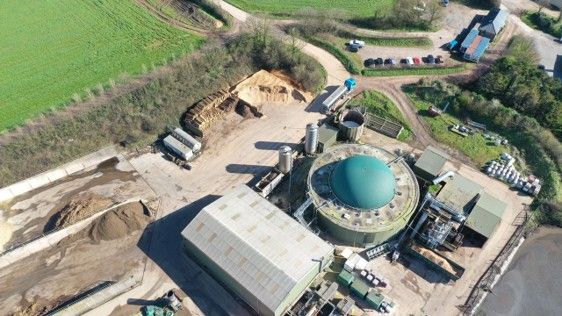
Biomethane is one technology already demonstrating potential. Produced through anaerobic digestion of organic materials, including manures, slurries, crop residues and food waste, it can provide a renewable fuel for suitable machinery and transport.
AD systems can also generate renewable electricity and heat, while producing digestate that can be used as a fertiliser. This creates opportunities to make better use of farm resources, reduce waste and potentially lower dependence on externally sourced energy and agricultural inputs.
Richard believes these benefits extend beyond individual farms, with on-farm energy production offering opportunities to support wider food supply chains as processors and retailers seek to reduce their emissions.
From biomethane to hydrogen: exploring the possibilities
Alongside biomethane, hydrogen is attracting interest as a potential fuel for some heavy-duty agricultural applications. Hydrogen internal combustion engines are being developed as an alternative to conventional diesel engines, offering a familiar engine-based approach for demanding machinery. Hydrogen can also be produced using electrolysis powered by renewable electricity, creating the possibility of storing surplus energy for later use. However, production costs, infrastructure and the practicalities of generating and storing hydrogen remain important considerations.
Other emerging technologies could also contribute to the future fuel mix. These include biohydrogen produced from biomass and organic waste, renewable synthetic methane made using green hydrogen and captured carbon dioxide, and biomass gasification to convert agricultural and forestry residues into usable gases. Not every technology will be suitable for every farm, and the commercial viability of individual solutions will depend on factors such as scale, fuel availability, equipment requirements and local energy infrastructure.
The Future Fuels Hub will provide a space to explore this evolving landscape, helping visitors understand the technologies being developed and consider which solutions could work for their own businesses.
Showcasing innovation in agricultural machinery
One of the businesses confirmed for the Future Fuels Hub is Bennamann, which will showcase its T7 biomethane tractor. The tractor provides a practical example of how biomethane technology could support the transition towards lower-carbon agricultural machinery, particularly where farms can produce renewable gas from their own resources.
The hub will also link to a new category in the LAMMA Innovation Awards: Future Fuel Innovation, new for 2027. The category has been created to recognise the future fuels and drivetrains helping to move agriculture forward. Visitors to the show will be able to see winners and runners-up showcase their equipment in Innovation Live, the feature previously known as the Demo Zone. This will give them an opportunity to see award-recognised innovations in action and learn more about the technologies shaping the next generation of agricultural machinery.
Farms as future energy hubs
Beyond individual machines and fuels, the transition also raises questions about how farms could generate, store and use more of their own energy. Many farms already have renewable energy infrastructure, including solar panels and wind turbines, while others operate AD plants or hydro systems. Integrating these assets with suitable storage and fuel production technologies could create opportunities to supply electricity, heat and transport fuels locally.
Richard sees this as an important part of building resilience across rural businesses. “Rather than relying entirely on imported fossil energy, in future UK farms will generate a significant proportion of their own power and fuel requirements.” Achieving this will require investment, appropriate infrastructure and collaboration between farmers, machinery manufacturers, energy companies and policymakers. It will also mean recognising the different needs of rural businesses when developing energy strategies and support mechanisms.
Discover the future of farm energy at Low Carbon Agriculture
The new Future Fuels Hub will give visitors the opportunity to explore the technologies helping agriculture reduce emissions, improve energy resilience and prepare for a changing energy landscape.
From biomethane-powered machinery and renewable gas production to hydrogen, electric vehicles and emerging fuel technologies, the hub will highlight the breadth of innovation taking place across the sector.
Register for Low Carbon Agriculture and LAMMA 2027 to discover the latest innovations in future fuels and explore the technologies that could help power your farm's future.