


Meet the Expert: Richard Gueterbock on the Future of Rural Energy
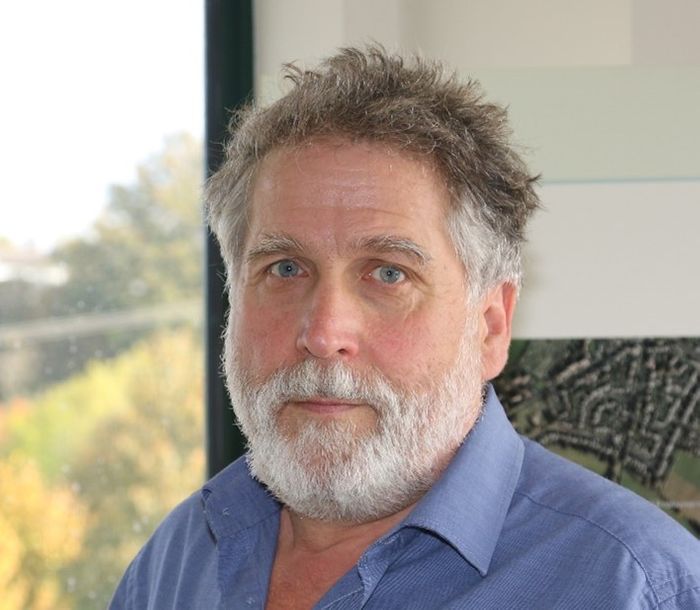
Through his work with Foodchains and Farm of the Future, Richard supports businesses looking at solutions including onsite bioenergy generation and the production of alternative fuels for rural needs. Based in Dorset, he combines consultancy work with a busy programme of meetings, knowledge sharing and innovation.
As part of our Meet the Expert series, Richard shares an insight into his work, the challenges facing rural businesses and why collaboration and innovation will be important in developing the farms of the future.
1. Introduce yourself and the business you work for/own
I’m Richard Gueterbock, I advise agri-food businesses on decarbonisation and future fuels. This includes supporting clients either through my company Foodchains or Farm of the Future (see https://farmofthefuture.co.uk/) - this includes onsite bioenergy generation and production of alternative fuels for rural needs.
2. What does a typical day look like for you at work?
I am lucky to work from home in Dorset with an office in the midst of our garden – with views of the lovely Dorset Countryside, so at least three days a week I am home based – and perhaps twice a week I have to travel to meetings. In the week ahead in Devon I’m looking at how hydrogen could have a role on farm energy hubs.
3. What's the biggest challenge you're currently facing, and how are you adapting to it?
Lack of rural policy support from our urban focused Government who fail to acknowledge the need for a rural energy policy and the role that farms can play as local energy hubs. Also finding ways to showcase low carbon technology to farmers, and their supply chain, as well as policy makers.
4. If you could give one piece of advice to a farmer or someone just starting out in the industry, what would it be?
Look for a point of difference for your business where you can generate value rather than just be part of the commodity crowd.
5. What keeps you coming back to Low Carbon Agriculture each year, and what value do you get from attending?
Having supported the show for a few years, I enjoy it because of the platform it provides for innovation and now it is part of LAMMA, LCA has greater outreach.
6. What are you looking forward to the most about the 2027 event?
Building on the collaboration with Farm of the Future on the Agri-Innovation trail to increase visibility at the show.
Looking ahead to Low Carbon Agriculture 2027
Richard's work highlights the breadth of innovation taking place across the rural energy sector, from alternative fuels and hydrogen to onsite energy generation and the potential for farms to play a greater role in local energy systems.
With Low Carbon Agriculture returning alongside LAMMA and CropTec in 2027, the event will once again provide a meeting point for farmers, businesses, innovators and industry experts exploring the technologies and approaches that could shape a more resilient, lower-carbon future.
For Richard, collaboration will be an important part of that journey – and the Agri-Innovation Trail will provide another opportunity to showcase new ideas and connect them with the people looking for practical solutions.
Register for Low Carbon Agriculture 2027 and discover the latest innovations, ideas and opportunities for a lower-carbon future in farming.
Low Carbon Agriculture is free if you register before midnight on 4th January 2026. From 5th January: £8 + VAT online, rising to £12 + VAT from the opening day (20th January).