


From regenerative farming to flood resilience: how farms are tackling environmental challenges
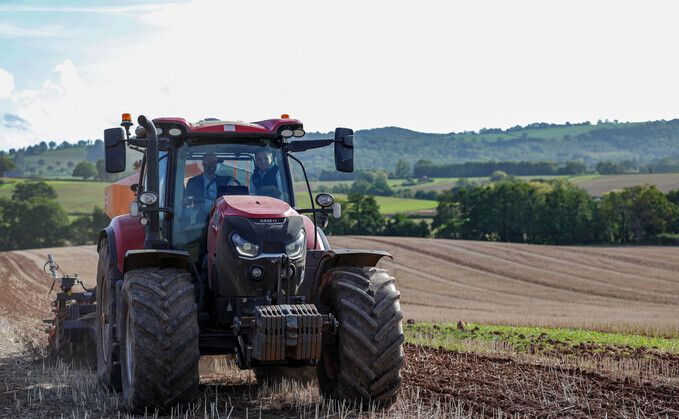
A recent visit by the Duke of Cornwall to farms and environmental projects across Monmouthshire and Herefordshire highlighted some of the ways farmers, landowners and rural communities are putting these principles into practice.
One of the stops was Monkhall Farm, where the Duchy of Cornwall's first regenerative Farm Business Tenancy (rFBT) is about to be taken on by young farmer Harry Davies.
Supporting the next generation of regenerative farmers
The 900-acre farm will provide third-generation farmer Harry Davies with a 25-year lease, giving him the opportunity to take a long-term approach to both the productivity of the farm and its environmental performance.
The regenerative tenancy programme has been designed to support productive and profitable farming alongside healthier soils, greater biodiversity and lasting resilience. "The dry summer has been a reminder of the pressures farmers are under, and support to adapt and plan for the long term makes a real difference," said Mr Davies. During the visit, the Duke of Cornwall heard about Harry's ambitions for the farm before joining him in the tractor during a drilling activity.
He also met representatives from Regenified, the programme's development partner. The partnership provides farmers with a framework, knowledge and practical support to understand the condition of their farm at the outset, track progress over time and measure the impact of regenerative practices.
The Duchy's ambition is for 100% of its equipped farms to follow regenerative principles by 2035, with Monkhall Farm providing an opportunity to put this approach into practice.
Farming and the challenge of extreme weather
The visit also highlighted the wider role that farms and rural communities can play in responding to climate-related challenges. In Skenfrith, the Duke met residents affected by recent flooding, hearing first-hand about the impact on homes, livelihoods and daily life.
Flood resilience was also a key theme during his visit to Stump Up For Trees, a farmer-led, volunteer-supported charity focused on ecological restoration, biodiversity enhancement and the principle of 'right tree, right place' across the Bannau Brycheiniog and wider southeast Wales.
At Great Trerhew Farm, one of the farms working with the charity, the Duke helped volunteers gather seed for its community tree nursery before planting an oak in a shelterbelt. The shelterbelt is one of many recently planted on the farm, helping to provide shelter for livestock, create wildlife corridors and support the farm's ability to cope with extreme weather events.
"The private support allows the charity to work flexibly with each farm," said Kate Beavan, woodland creation officer for Stump Up For Trees. The charity also highlighted the wider environmental benefits of its work, including strengthening flood resilience, restoring biodiversity and improving water quality.
Practical action for a more resilient future
The projects visited by the Duke demonstrate that there is no single approach to building more resilient agricultural businesses and landscapes. For one farm, the priority may be improving soil health and adopting regenerative practices. For another, tree planting, shelterbelts and habitat creation could form part of a wider strategy for managing water, supporting biodiversity and protecting livestock from extreme weather.
What connects these approaches is the focus on long-term resilience, practical action and finding solutions that work within individual farm businesses and their surrounding landscapes. As farmers continue to navigate changing weather patterns, input costs, policy and market pressures, understanding the options available will be increasingly important.
Discover the future of low-carbon farming
Low Carbon Agriculture brings together farmers, landowners, businesses, innovators and industry experts to explore the technologies, practices and ideas that can help build a more sustainable and resilient agricultural sector.
From regenerative farming and biodiversity to renewable energy, alternative fuels and low-emission technologies, the event provides an opportunity to discover practical solutions and hear from those already putting them into practice.
Register for Low Carbon Agriculture 2027 and explore the ideas helping to shape the future of farming.